Climate change
Addressing climate change is essential for our future and we are committed to reducing emissions and building resilience across our operations.

Our commitment
We recognise the need to take action to reduce our carbon footprint. Our strategy is to adopt a practical, project-based approach to decarbonisation, utilising proven commercially viable technologies.

Our approach
MinRes supports the goals of the Paris Climate Agreement (Paris Agreement) and recognises the need to achieve these goals through understanding the effects climate change may have on our operations, customers and the communities in which we operate.
Our climate strategy and reporting are guided by both international and domestic principles, frameworks and regulatory compliance requirements.
We recognise the need to take action to reduce our carbon footprint. Our strategy is to adopt a practical, project-driven approach to decarbonisation utilising proven commercially viable technologies.
Our Climate Change Policy acknowledges our responsibility and commitment to managing climate-related opportunities and risks.
Climate governance
The Board has ultimate responsibility for strategic oversight of MinRes, including the consideration of climate-related risks and opportunities.
The Board delegates oversight of climate-related management through the various committees such as the Safety and Sustainability, Audit and Risk, Nomination and People and Renumeration committees.
Day-to-day responsibility for delivering MinRes’ climate-related strategy is delegated to the Managing Director and Executive Leadership team who are supported by the Australian Sustainability Reporting Standards Steering Committee and Decarbonisation Steering Committees.
Refer to our 2026 Annual Report for detail on the roles of these committees.
Climate-related risks and opportunities
Climate change and the transition to a low-carbon economy present both risks and opportunities.
Physical risks or opportunities result from ongoing climate change and/or changes to the frequency or intensity of acute weather events. Transition risks and opportunities arise from evolving regulatory frameworks, shifting market demand and emerging decarbonisation technologies.
We have identified the following climate-related risks and opportunities:
- Physical risks: acute and chronic weather events and water security
- Transition risk: social license, climate policy and energy transition commodity demand
- Transition opportunity: energy transition commodity demand
More information is available in our 2026 Annual Report.
Our ambitions and performance
We recognise the importance of the Paris Agreement and our role in the global transition to a low-carbon economy.
Our decarbonisation ambitions are:
- Interim target: 45% reduction in combined Scope 1 and 2 mining emissions intensity by FY35, relative to an FY24 baseline, measured on a kgCO2e emitted per wet metric tonne of product shipped.
- Long term ambition: net zero operational emissions by 2050.
Refer to our 2026 Annual Report for detail on our performance against our ambitions.
In FY25, we launched our Decarbonisation Fund to help us work towards achieving our climate ambitions. Learn more about our Decarbonisation Fund.
Our opportunities
Our approach to decarbonisation focuses on driving measurable emissions reduction through a disciplined, incremental approach that balances technical viability, economic returns and organisational capability across the planning horizons.
Where commercially viable, we seek to incorporate lower-emissions design considerations into new facilities and projects, or to ensure infrastructure is positioned to accommodate lower-emissions technologies as they become commercially and technically available, with investment decisions assessed against our broader financial and operational objectives.
For more details on our Climate Transition Plan, refer to our 2026 Annual Report.

Related news
View All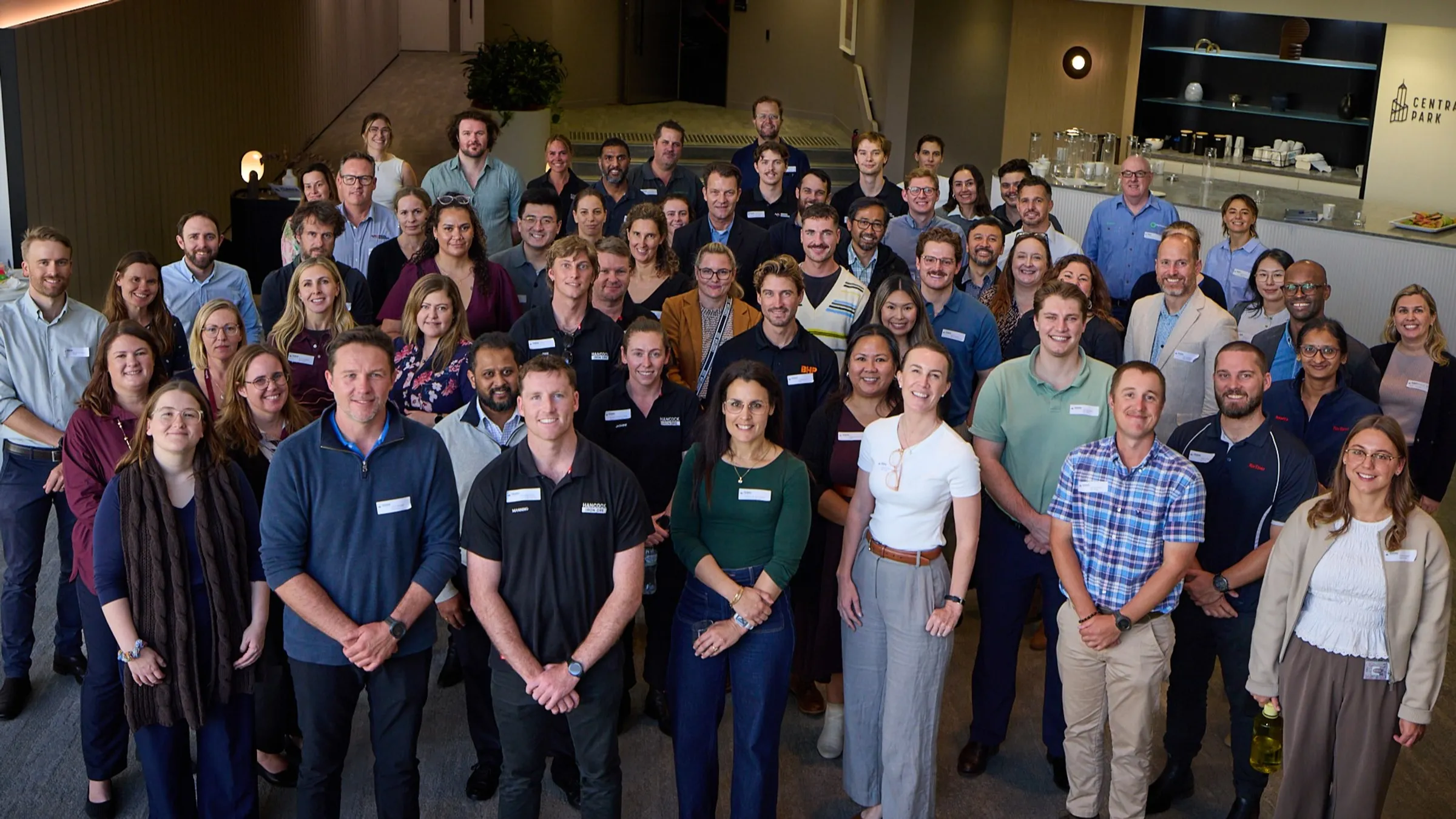
Collaboration is playing an increasingly important role in shaping better rehabilitation outcomes across the Pilbara, with mining companies, technical specialists and industry leaders working together to build shared knowledge and strengthen practice.
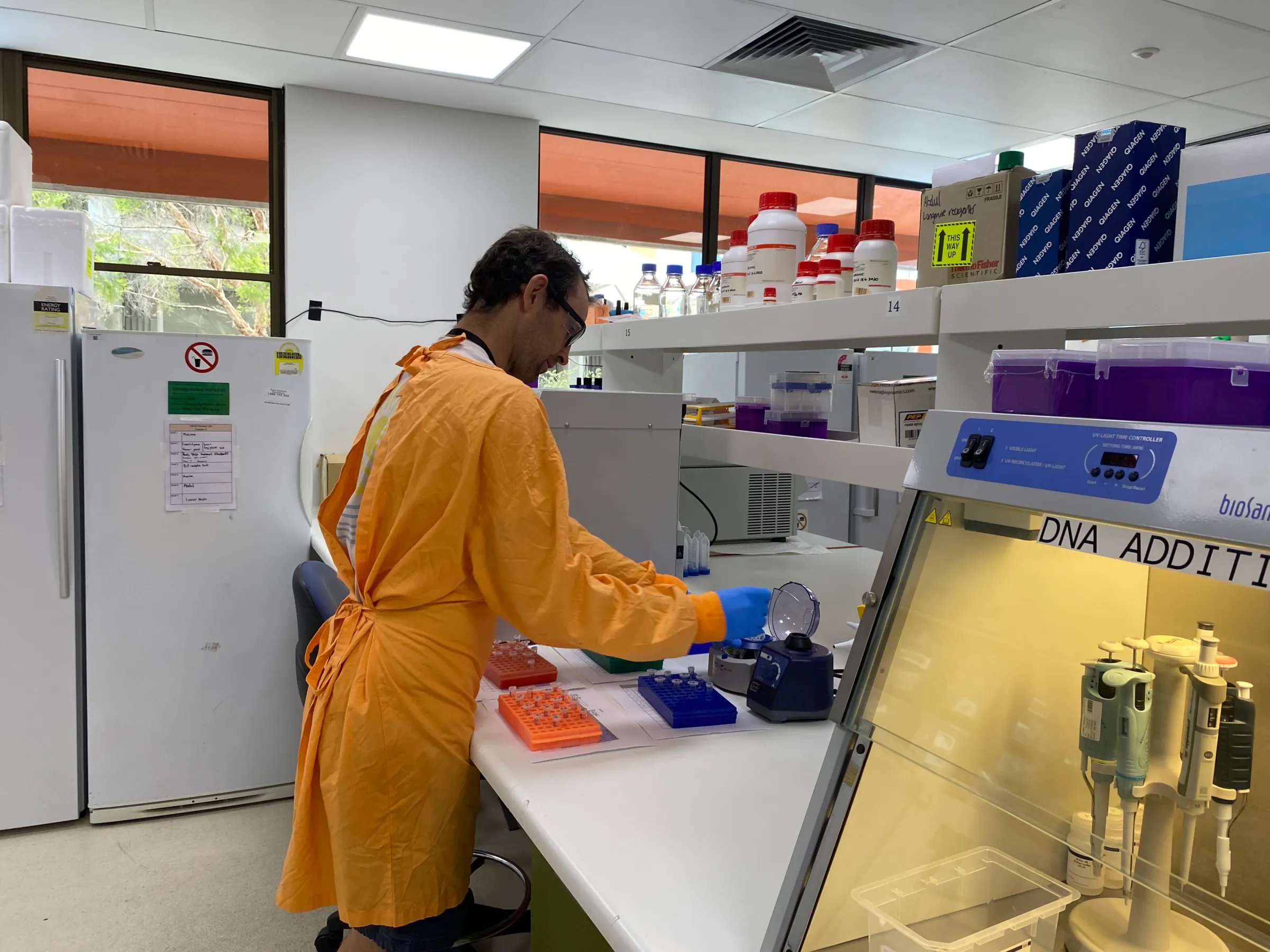
Mineral Resources (MinRes) and Curtin University (Curtin) are helping develop new ways to survey and monitor the environment to better understand plant-animal interactions and protect biodiversity in remote and sensitive areas.
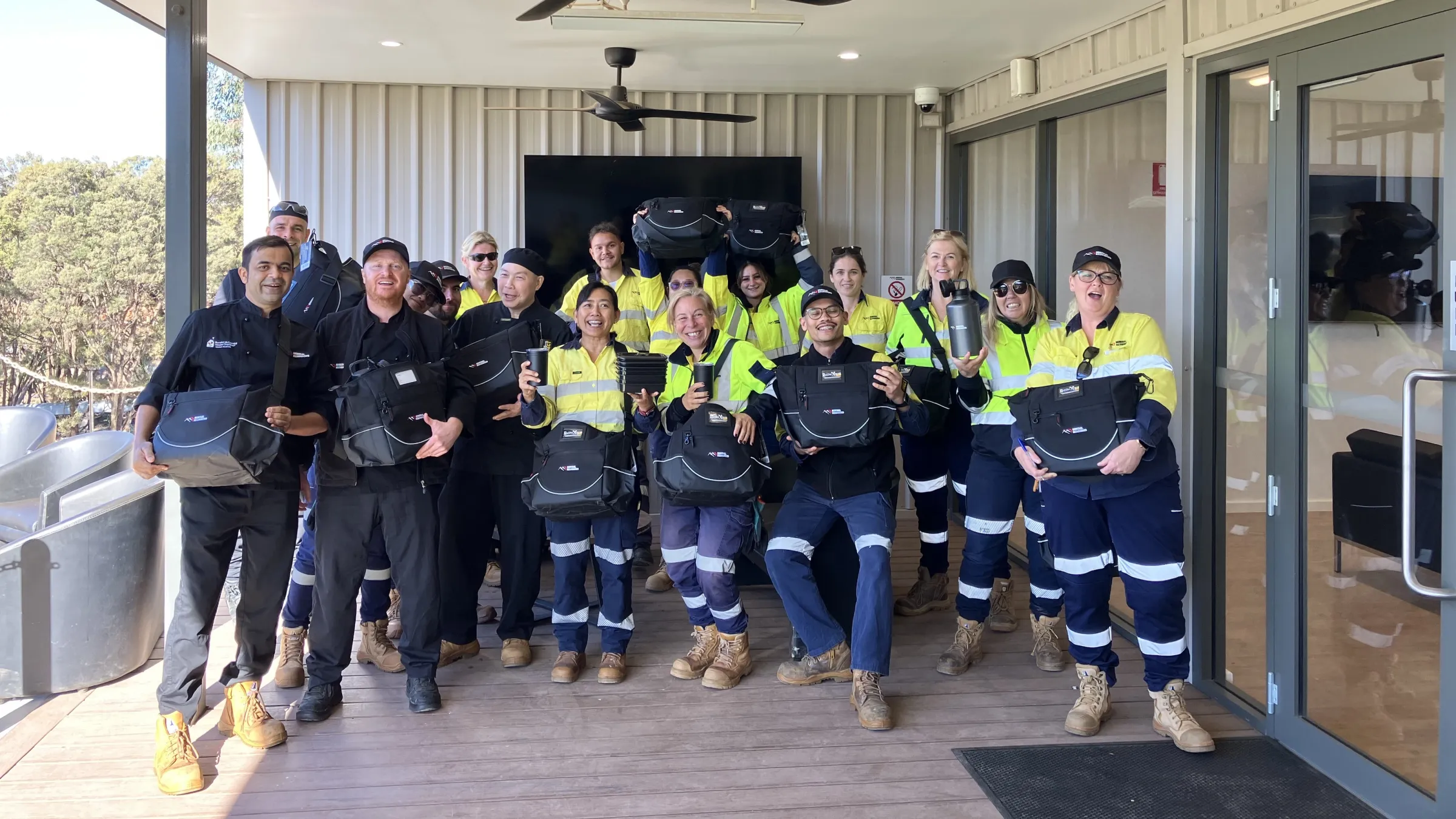
Mineral Resources (MinRes) has eliminated thousands of single-use meal containers from its operations by rolling out more than 5,000 reusable crib kits to its workforce — a move aimed at reducing waste and costs while driving positive change across its Western Australian mine sites.