Closure and rehabilitation
Effective closure and rehabilitation are vital to our operations and we are committed to returning land to sustainable and beneficial use.

Our commitment
We are committed to integrating closure considerations throughout all stages of our activities to transition to closure effectively. MinRes recognises the ongoing nature of closure commitments throughout the lifecycle of our mining operations and work to ensure closure management accounts for economic, environmental, social and governance issues.
Our approach
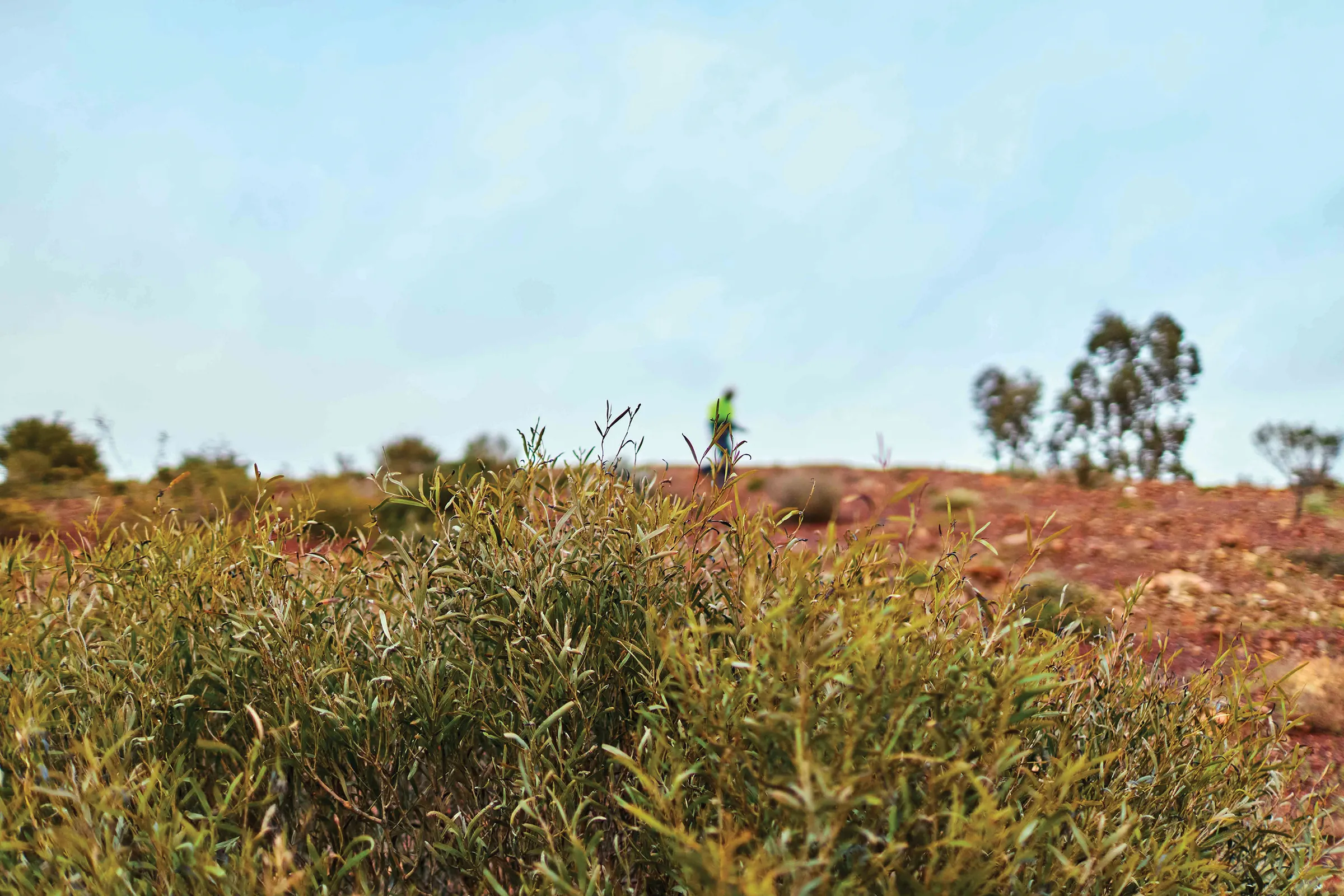
MinRes acts in accordance with all applicable legislation and regulations, including the requirement to develop Mine Closure Plans under the Mining Act 1978 (WA). All MinRes mine sites have Mine Closure Plans to ensure mining operations are closed, decommissioned and rehabilitated in an ecologically sustainable manner. We apply a Mine Closure Framework with an emphasis on the purposeful management of closures to integrate existing business processes with our Stakeholder Engagement Management Plan.

Our Mine Closure Framework
Our risk management
The closure of our mining operations involves procedures to remedy and rehabilitate any environmental and social impacts on local communities. There is a risk that environmental rehabilitation, ongoing monitoring and mine closure may be unsuccessful, delayed, subject to increased closure costs or involve conflict with local communities. Ensuring the effective management of closure risks throughout the lifecycle of our operations is crucial to maintaining our social licence to operate.
Related news
View All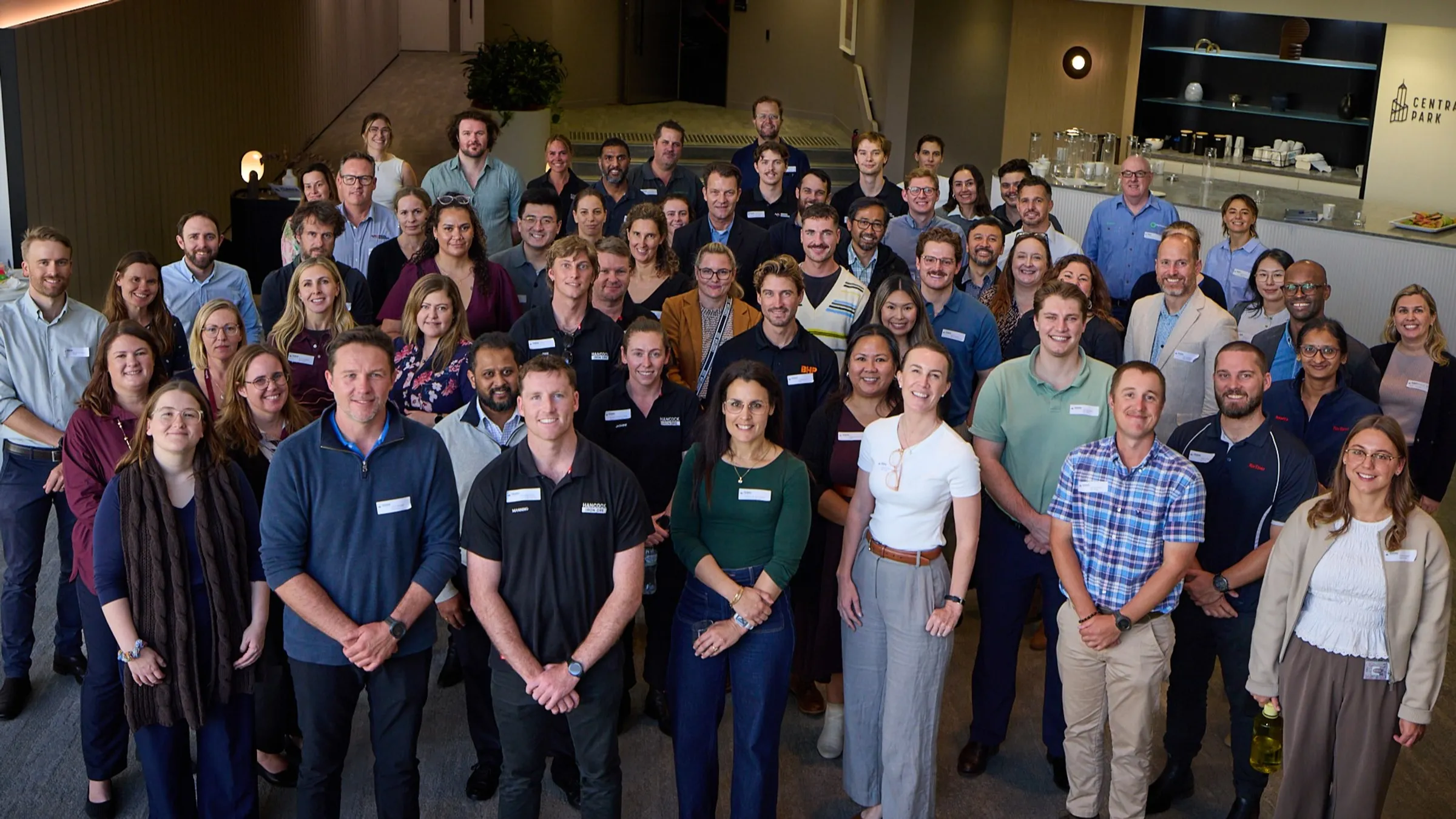
Collaboration is playing an increasingly important role in shaping better rehabilitation outcomes across the Pilbara, with mining companies, technical specialists and industry leaders working together to build shared knowledge and strengthen practice.
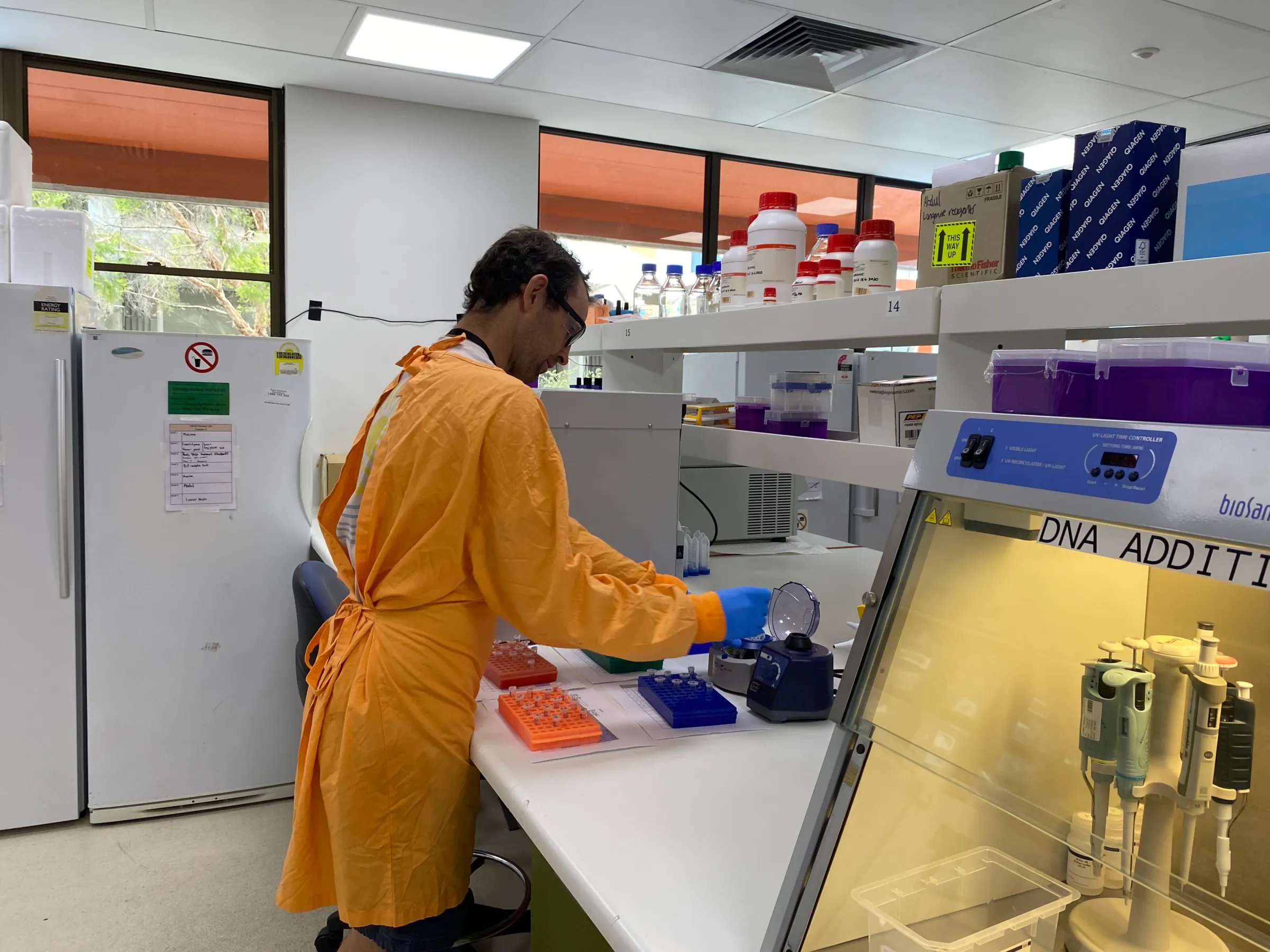
Mineral Resources (MinRes) and Curtin University (Curtin) are helping develop new ways to survey and monitor the environment to better understand plant-animal interactions and protect biodiversity in remote and sensitive areas.
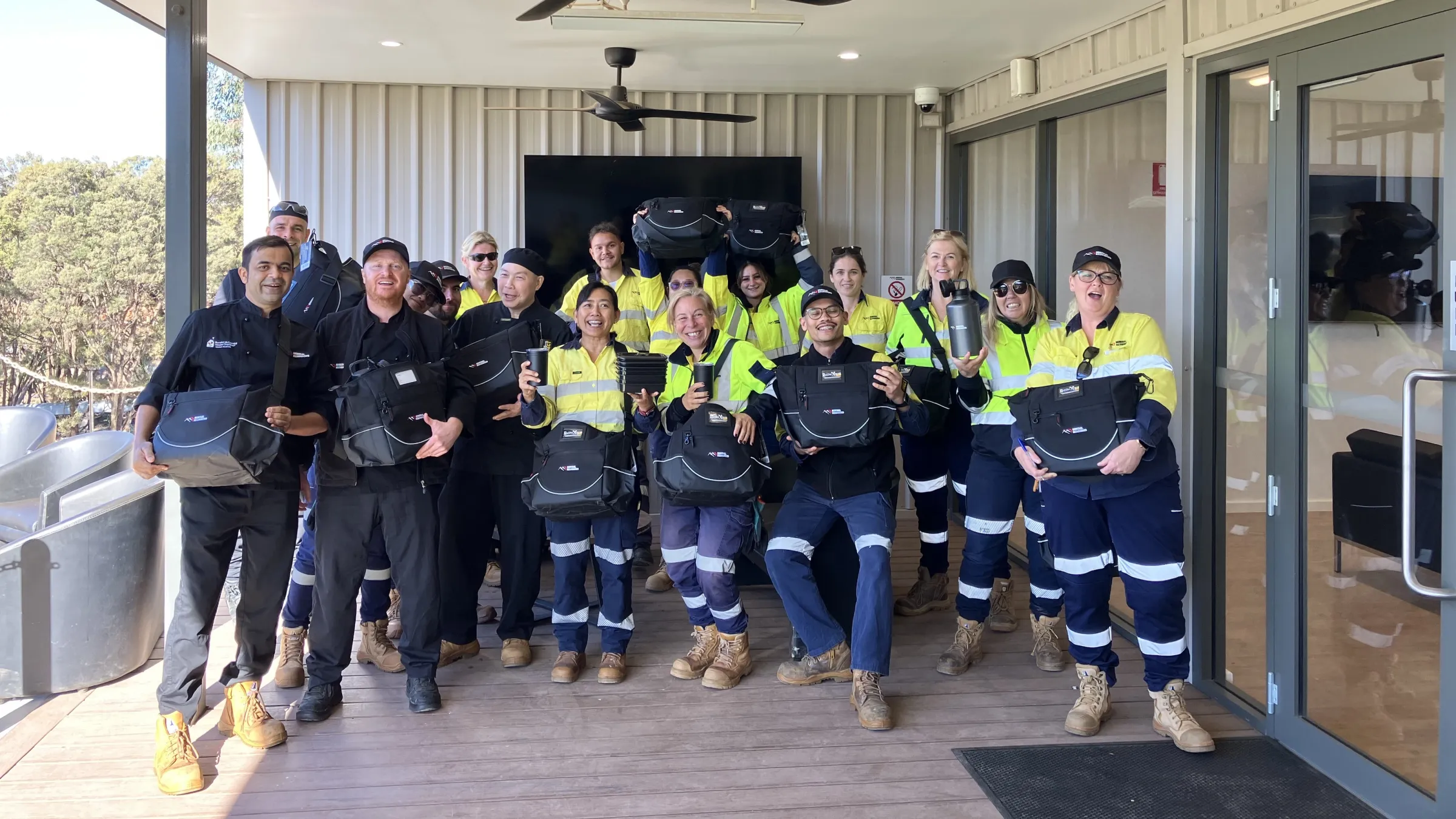
Mineral Resources (MinRes) has eliminated thousands of single-use meal containers from its operations by rolling out more than 5,000 reusable crib kits to its workforce — a move aimed at reducing waste and costs while driving positive change across its Western Australian mine sites.